
Daniel Angeles, Carole Pierce, Ian Grieve
Opening Reception: Saturday, February 28, 5 – 8 PM
February 28 – March 21
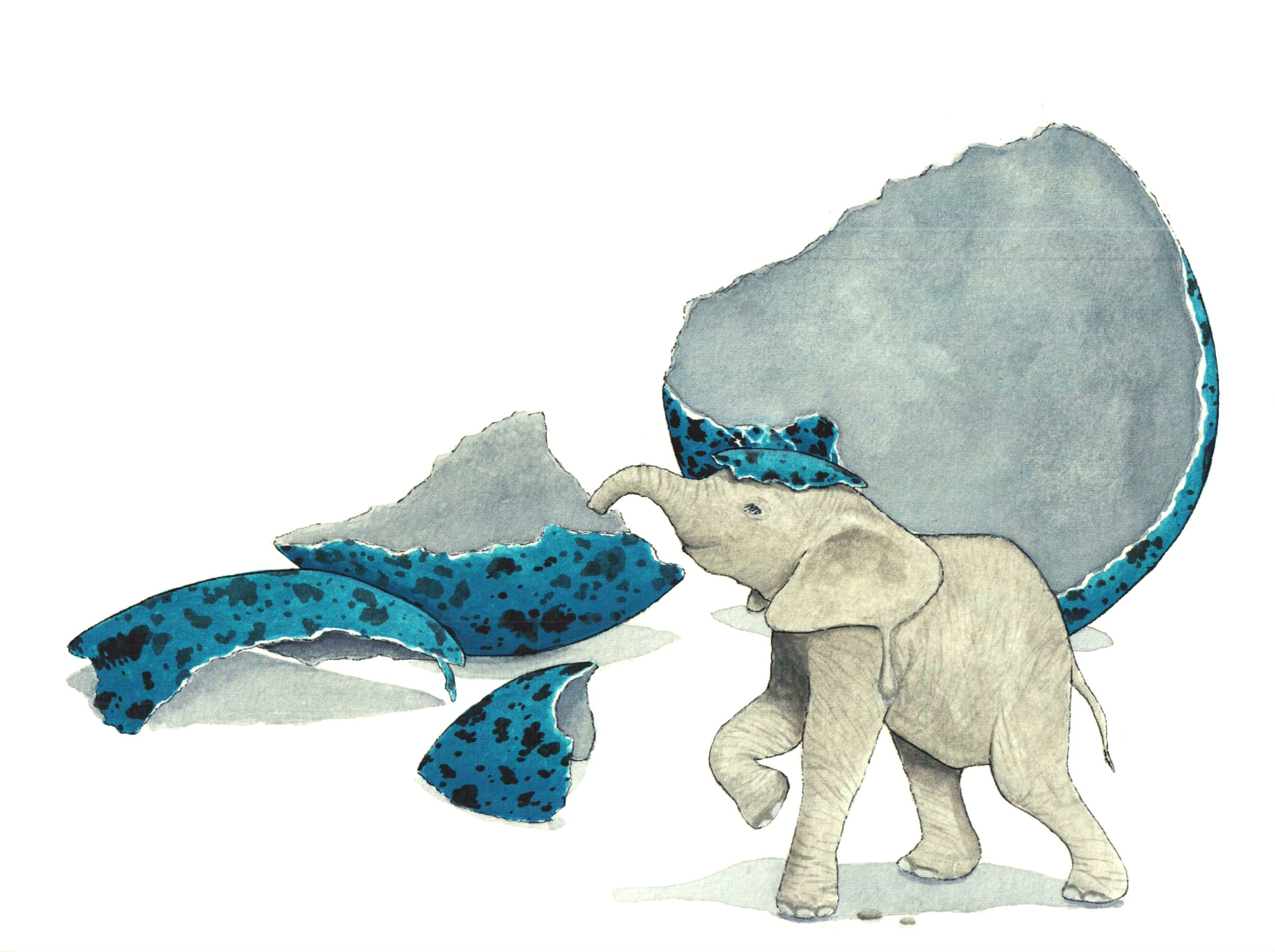
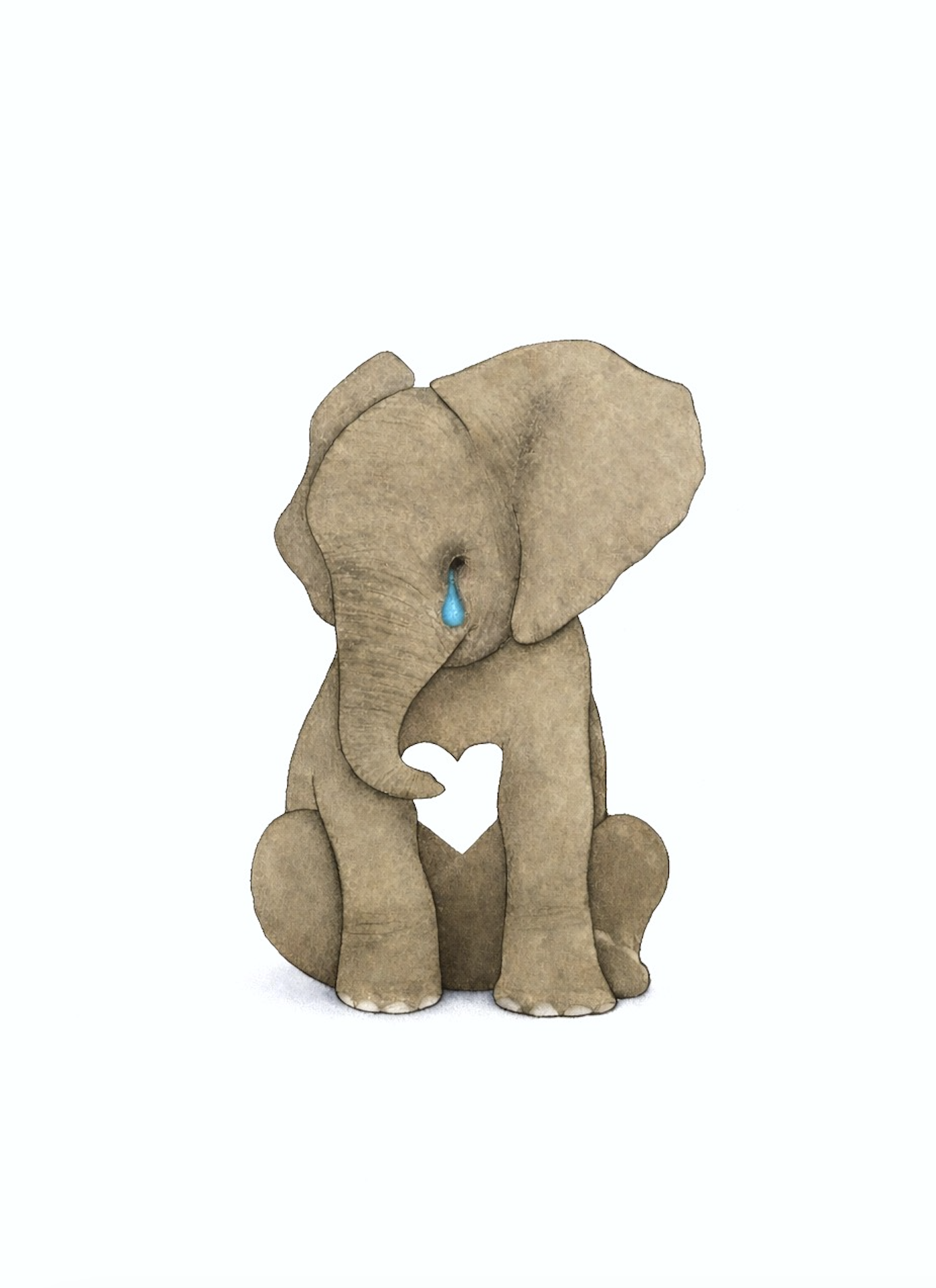
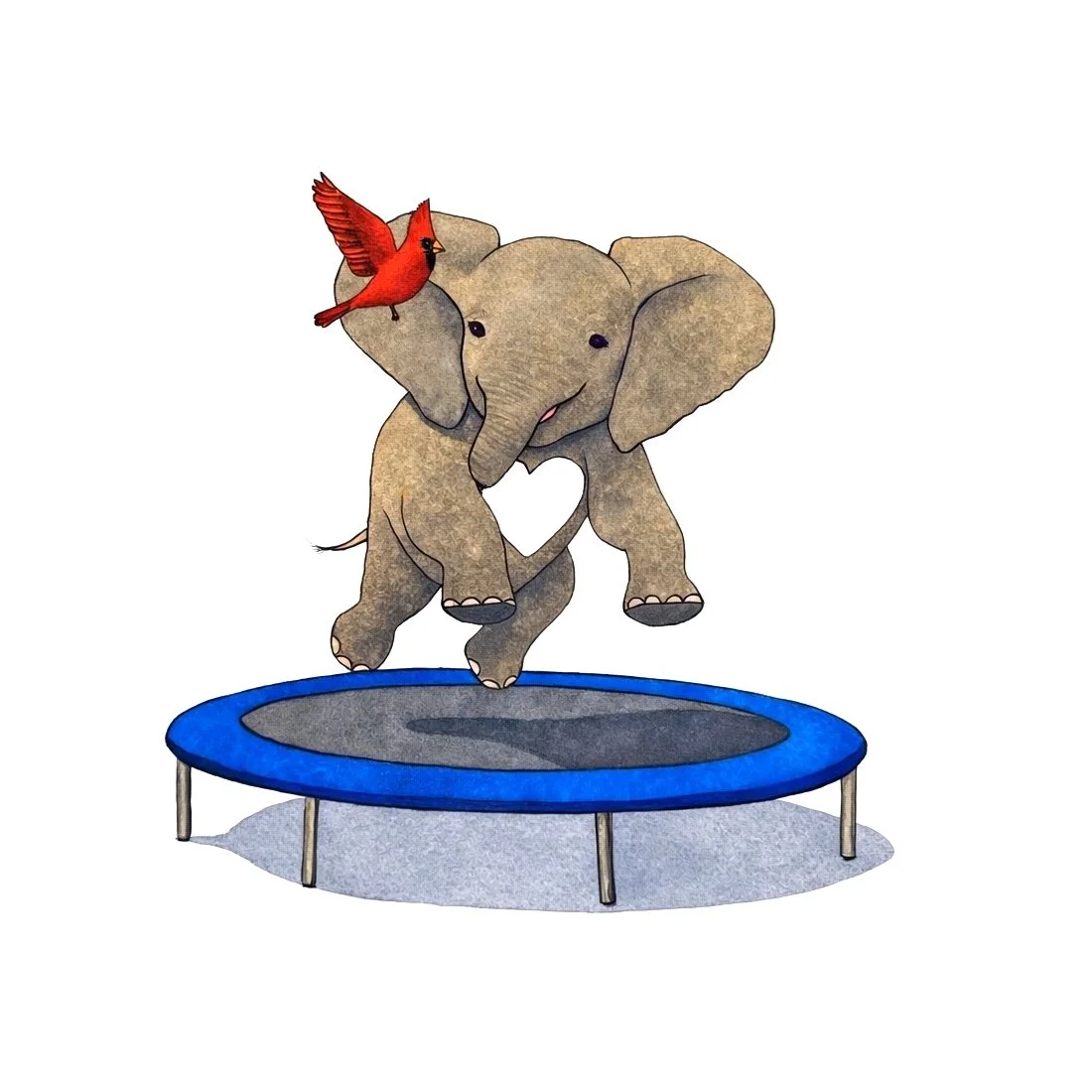

Daniel Angeles — The Heart That Grew Wings
Presenting a collection of watercolor narratives, Daniel Angeles tells a story about love, loss, resilience, and return. Through layered imagery and quiet symbolism—hearts as fragile vessels, birds as messengers, and droplets as traces of the self he pours into each piece—these paintings explore the universal search for connection and healing. The exhibition includes works from his forthcoming children’s book, Belle and Her Missing Heart, alongside new paintings that reflect the same themes of longing, courage, and renewal. Watercolor, with its transparency and unpredictability, becomes the perfect voice for stories that remind us that even a heart set adrift can, in time, grow wings and find its way home.
Carole Pierce — Changing Light
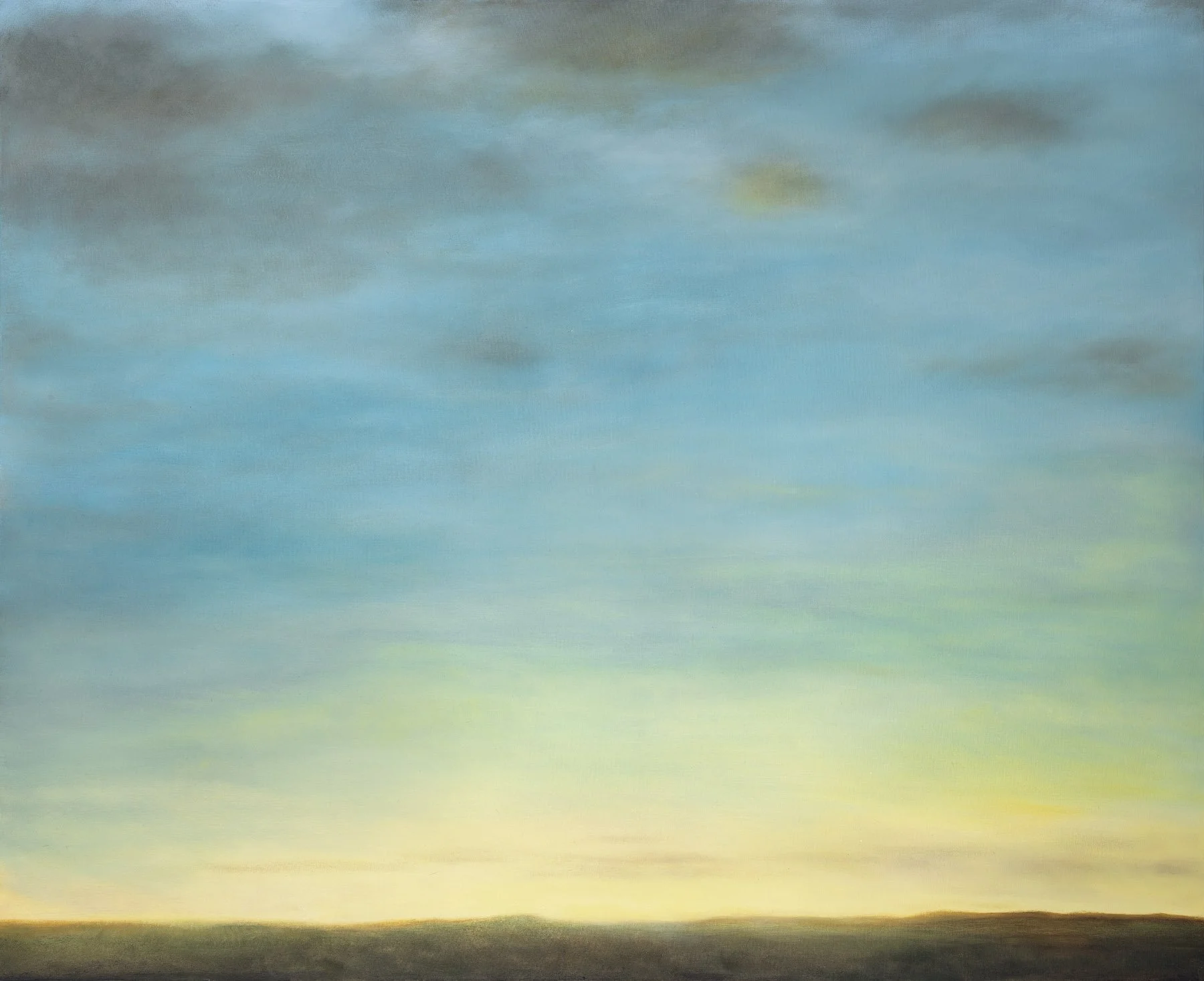
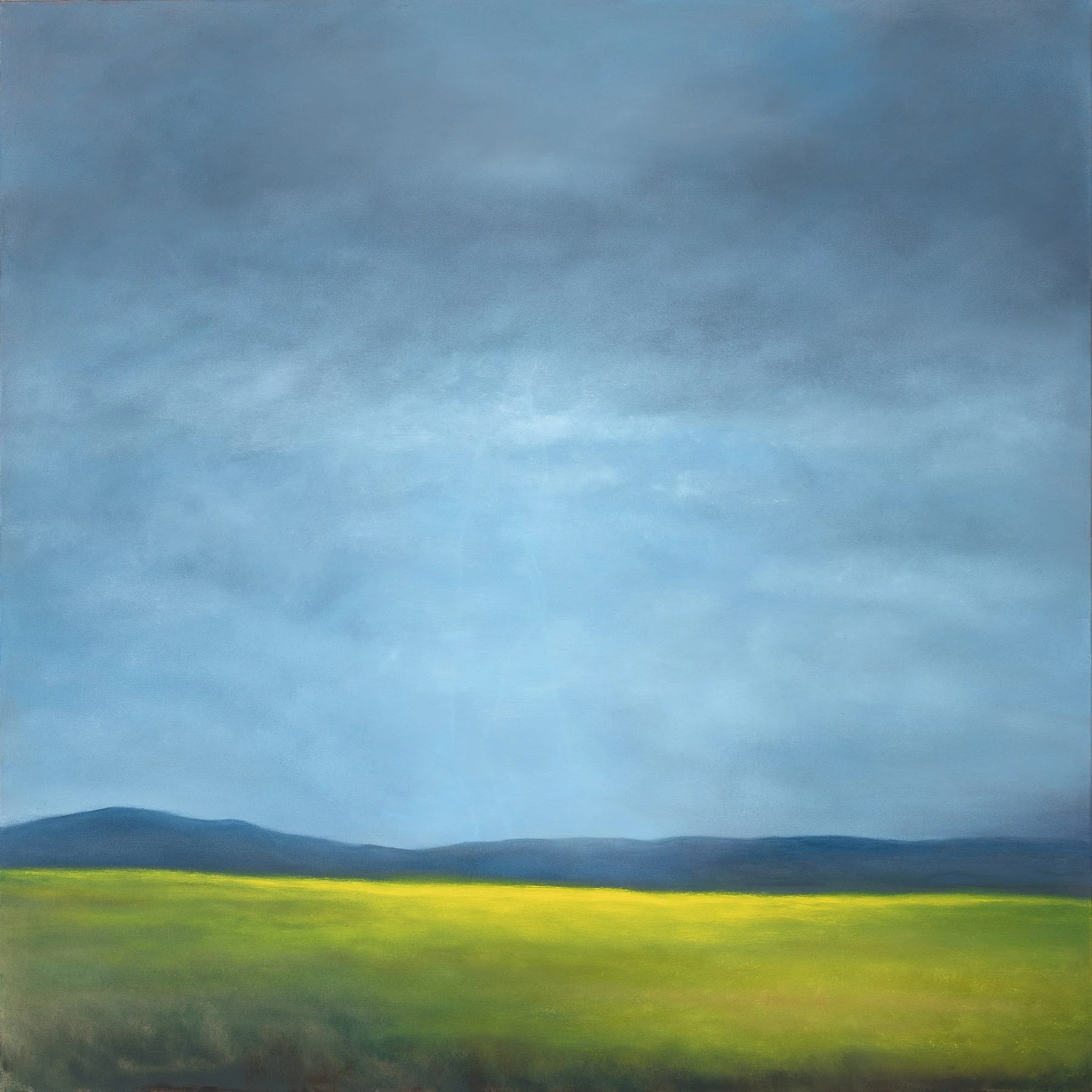
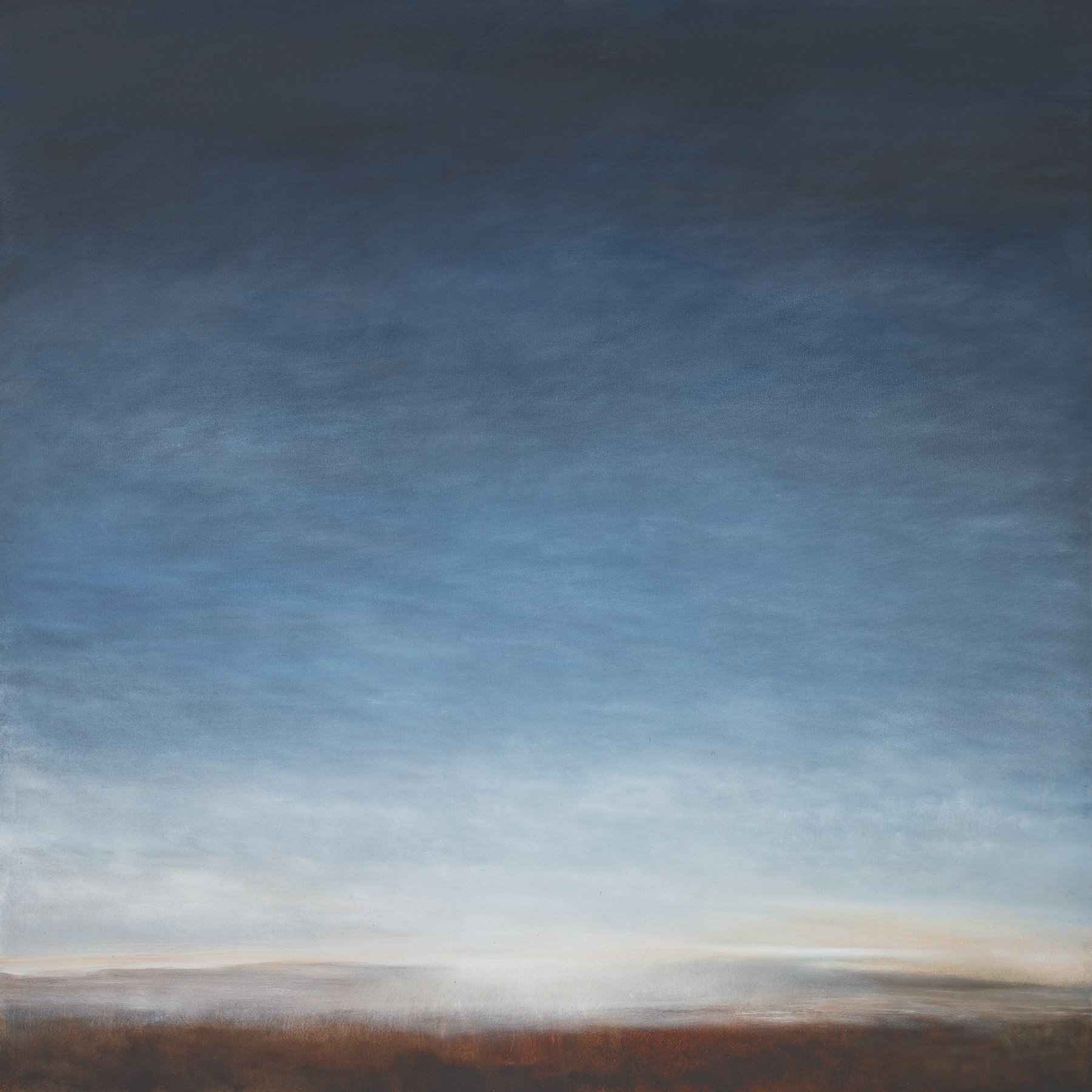
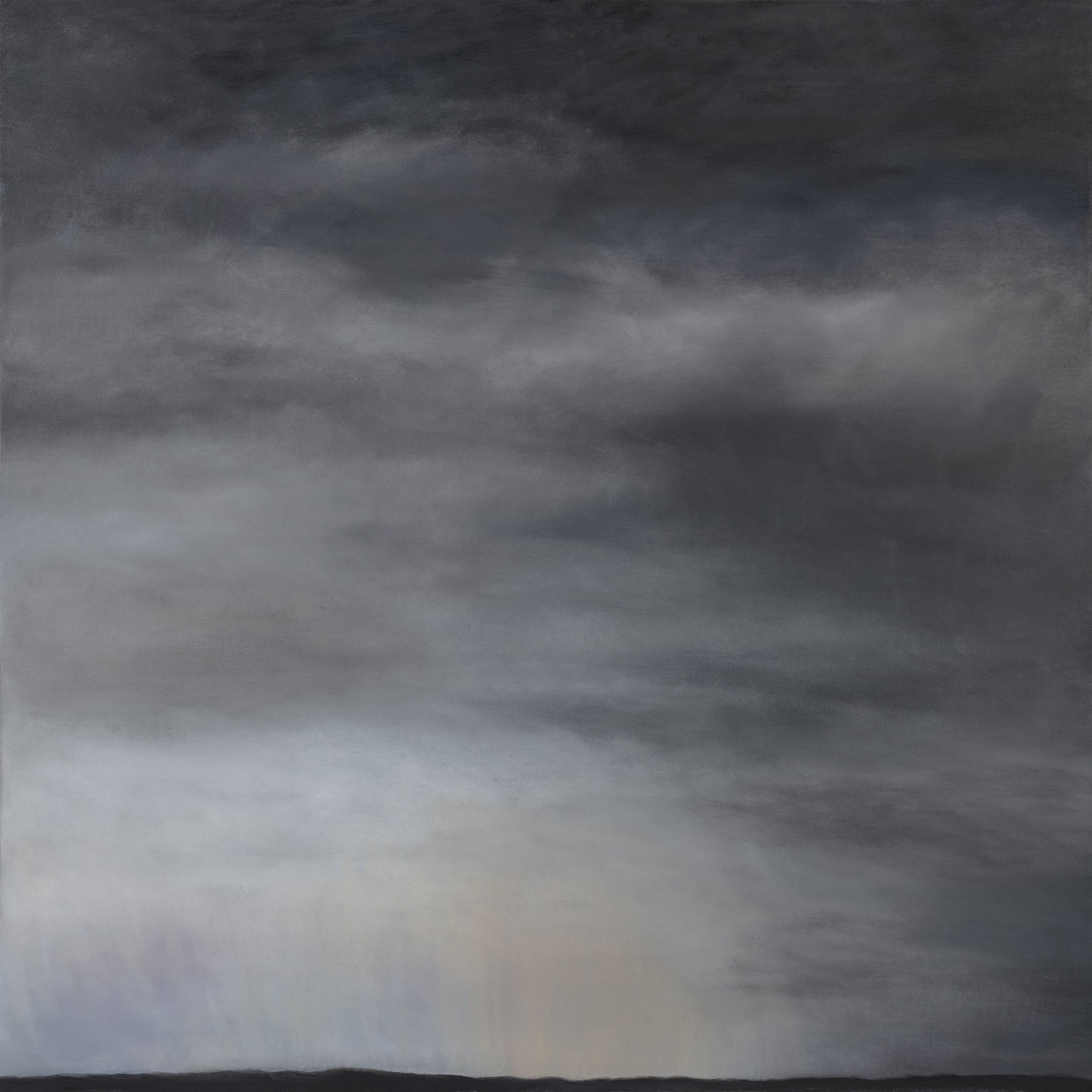
For Carole Pierce, life is fleeting like clouds in the sky. We are linked to the ebbs and flows of the weather and the sky, which define every moment from dawn until dark. Her new body of work reflects the changing light, expansive land, and sky, as well as unusual atmospheric phenomena.
In her memory, the paintings pre-exist and invite the viewer to be part of the conversation between the intent of the painting and their emotions, and perhaps, just for a moment, the paintings can feel more real than the world around us. She intends to merge the viewer into an illusion.
Light is a crucial element in every painting, which creates the feeling of radiance, beauty, transcendence, energy, and the sublime quality of the energy that surrounds us.
Ian Grieve — What’s Left Behind
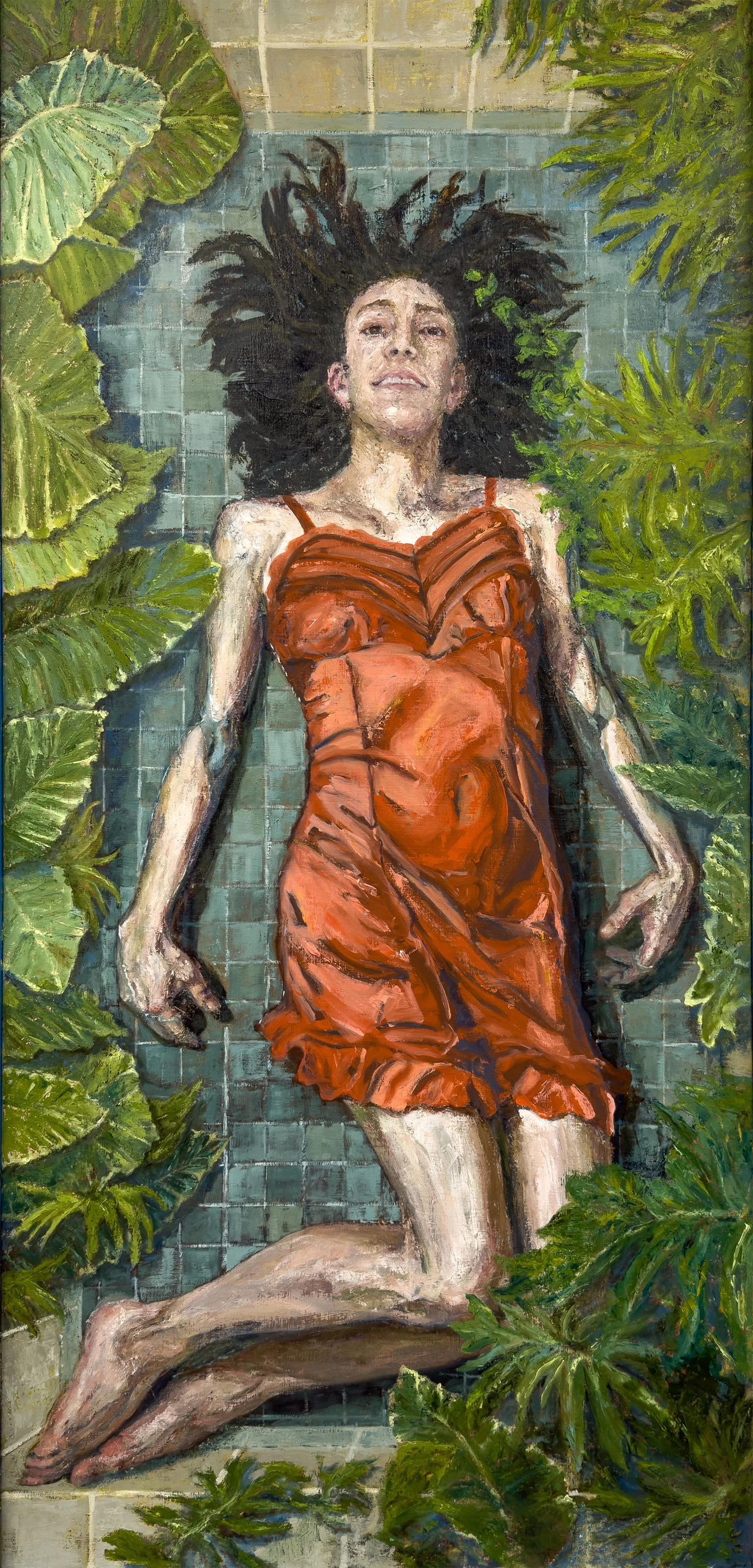
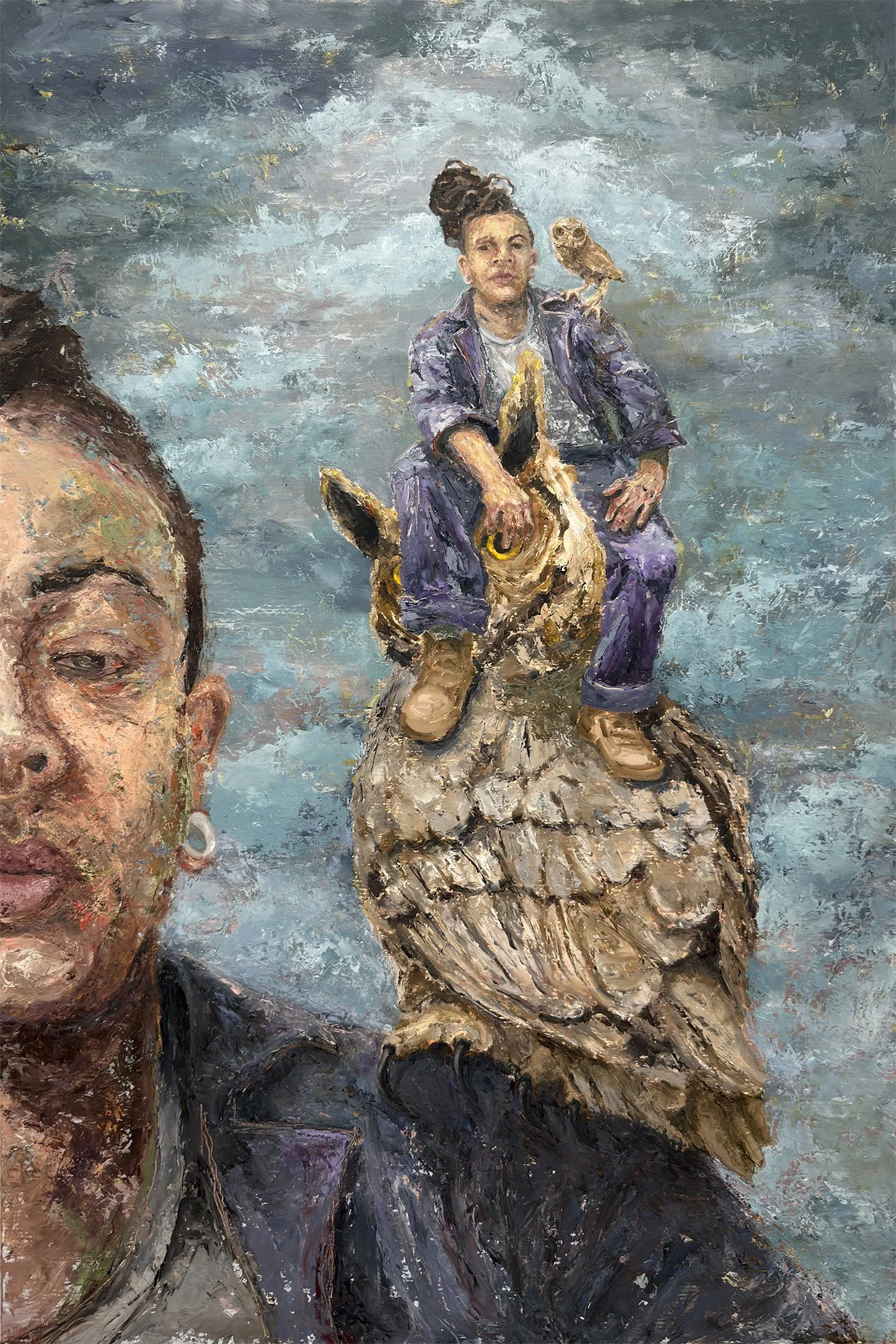
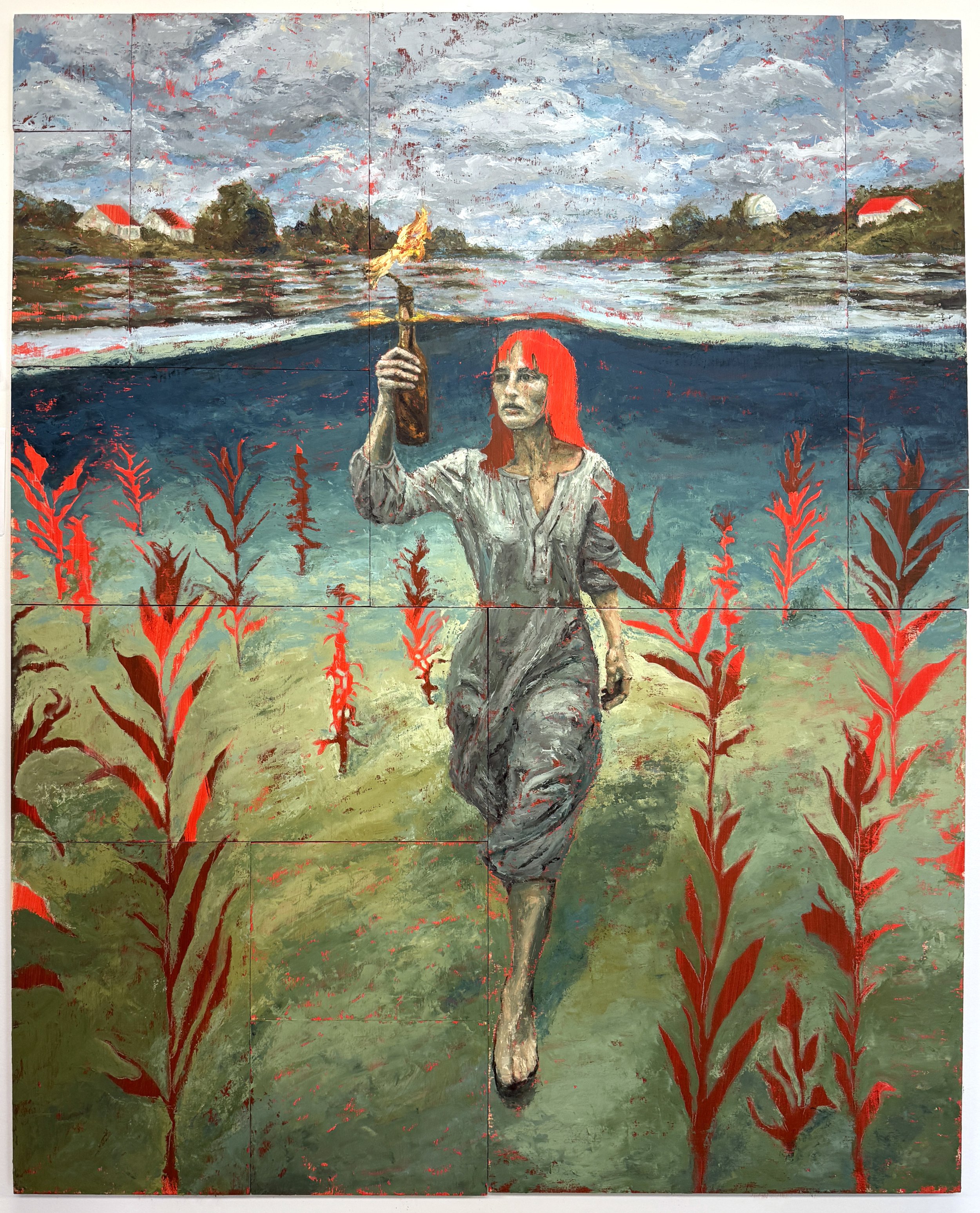
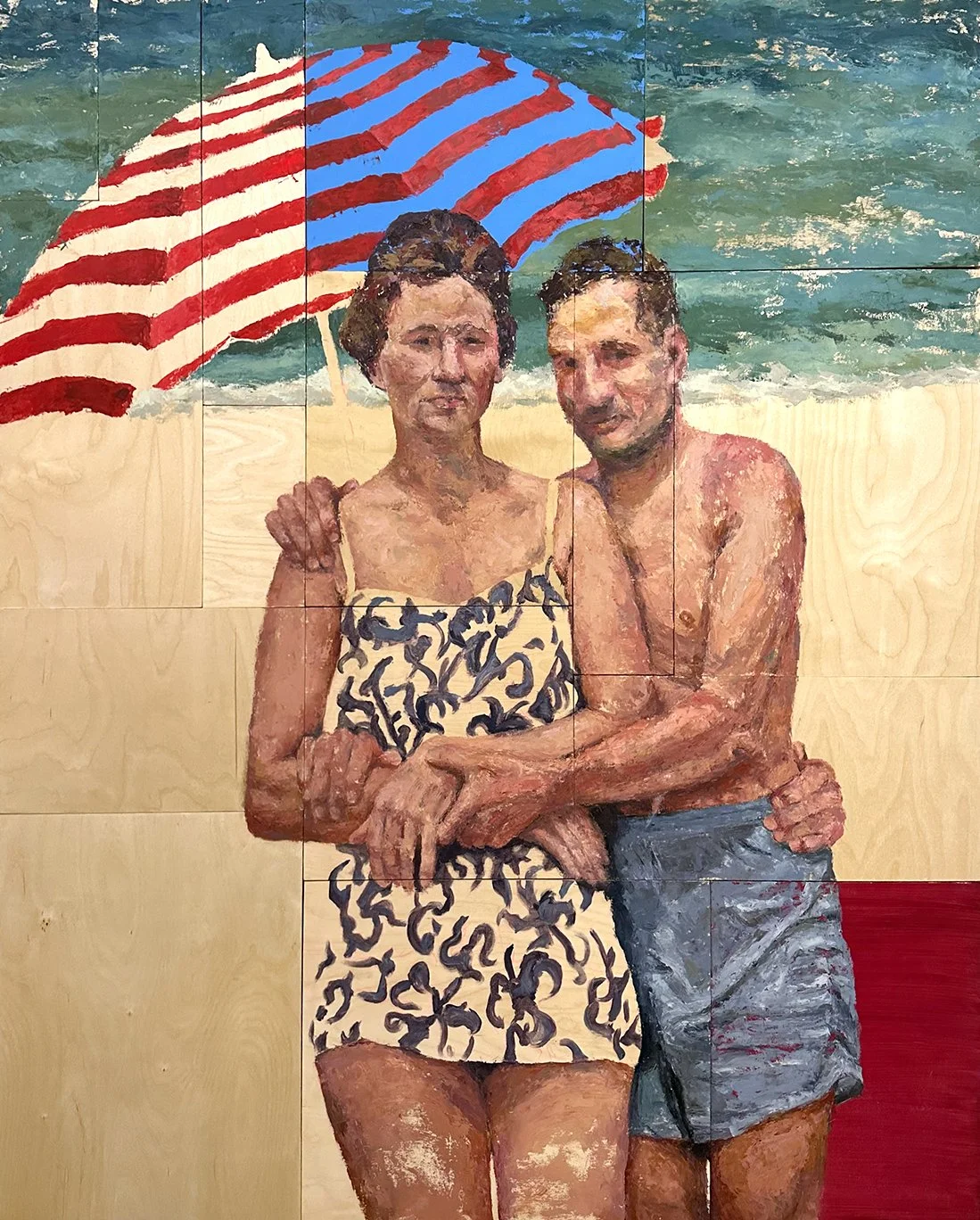
Ian Grieve’s work explores the tension between change, memory, and perception through a materially driven approach to figurative painting. His paintings function as stories in themselves, not only through imagery, but through the visible traces of their making. Treating the surface as both image and palette, Grieve allows paint to be built, moved, scraped, and reworked, turning each work into a record of creation, revision, and time.
Using the human figure as a central site, he investigates how images carry emotional and narrative weight beyond individual identity. Earlier stages remain present within the final composition, transforming the surface into a physical archive where memory appears unstable, fragmented, and continually rewritten. Imperfection and intentional incompleteness draw attention to the painting as an object shaped by pressure, interruption, and change.
Nostalgic imagery offers a point of shared recognition, inviting viewers in before unraveling into ambiguity and distortion. Influenced by historical figurative traditions and contemporary approaches to the body in flux, Grieve balances structure with experimentation, keeping narratives open, provisional, and in motion. Transformation remains central—both materially and psychologically— positioning the figure between past and present, solidity and dissolution, myth and memory.