
Reality Is Only Your Perception
Opening Reception: Saturday, January 17, 5 – 8 PM
January 17 – February 21
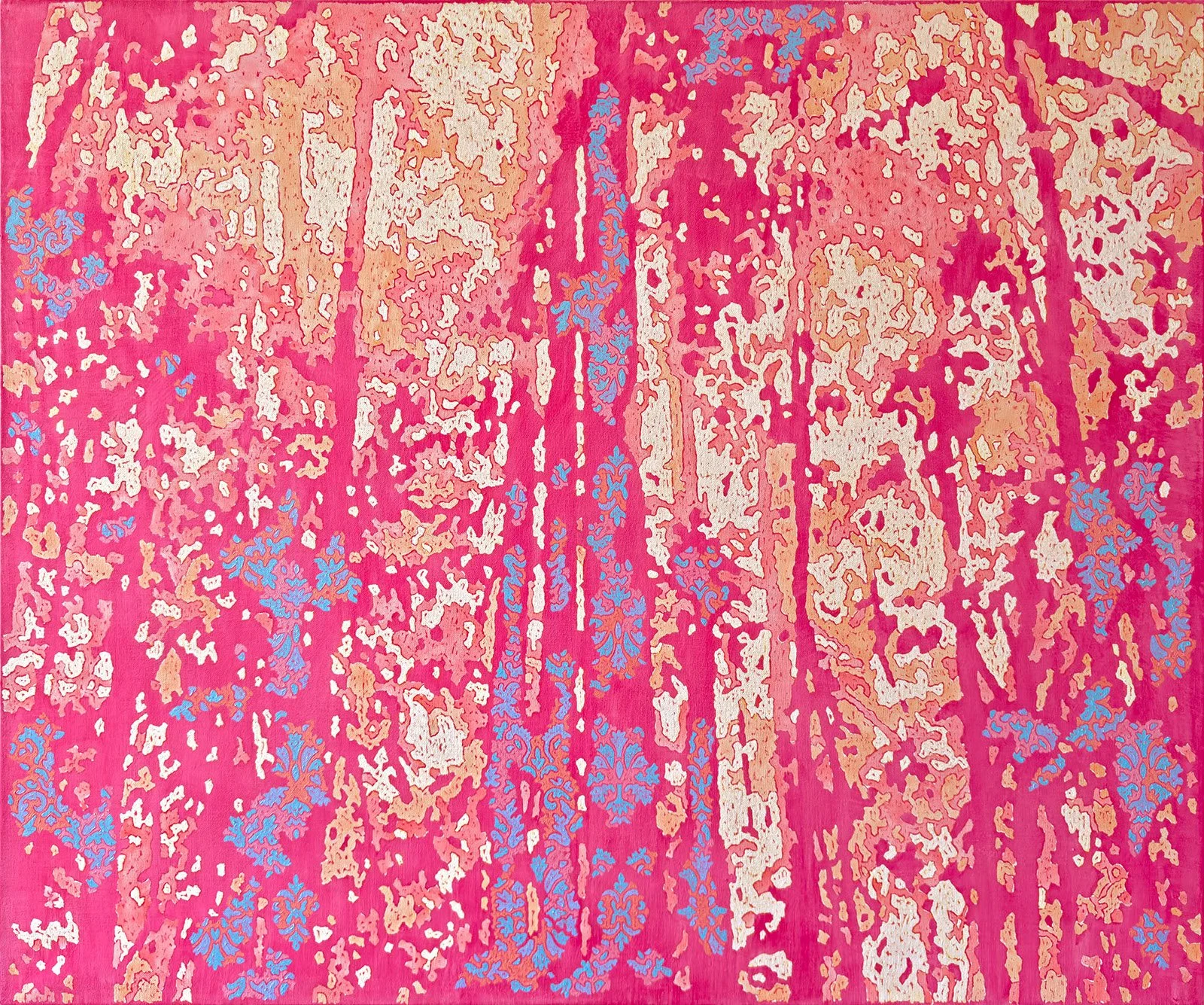
Adam Ball Faith, 2026 Oil and acrylic on canvas 39.5 x 47.5 in
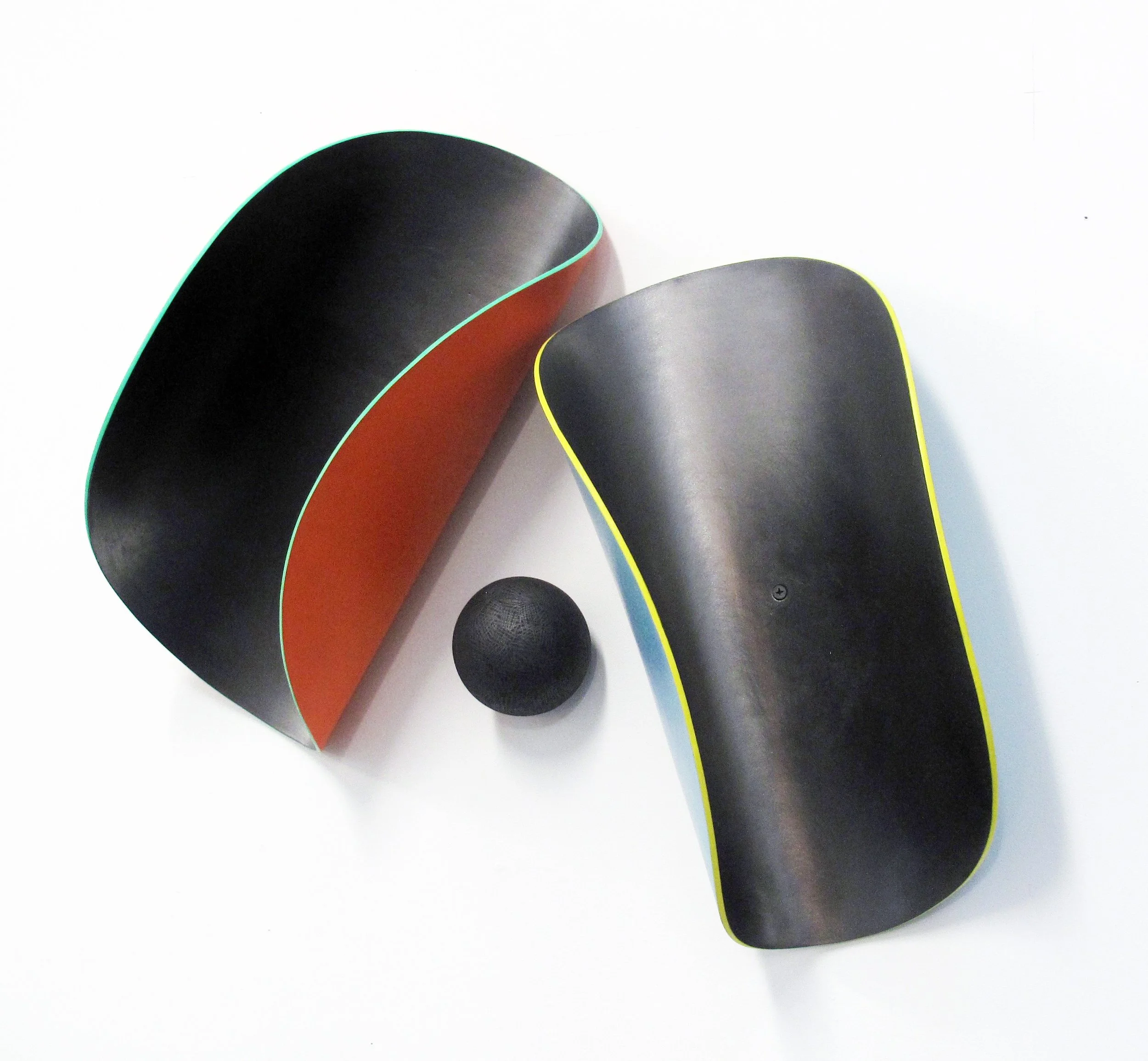
Marla Ziegler Love Birds, 2015 Glazed clay, graphite, color pencil 19.5 x 23 x 6.5 in
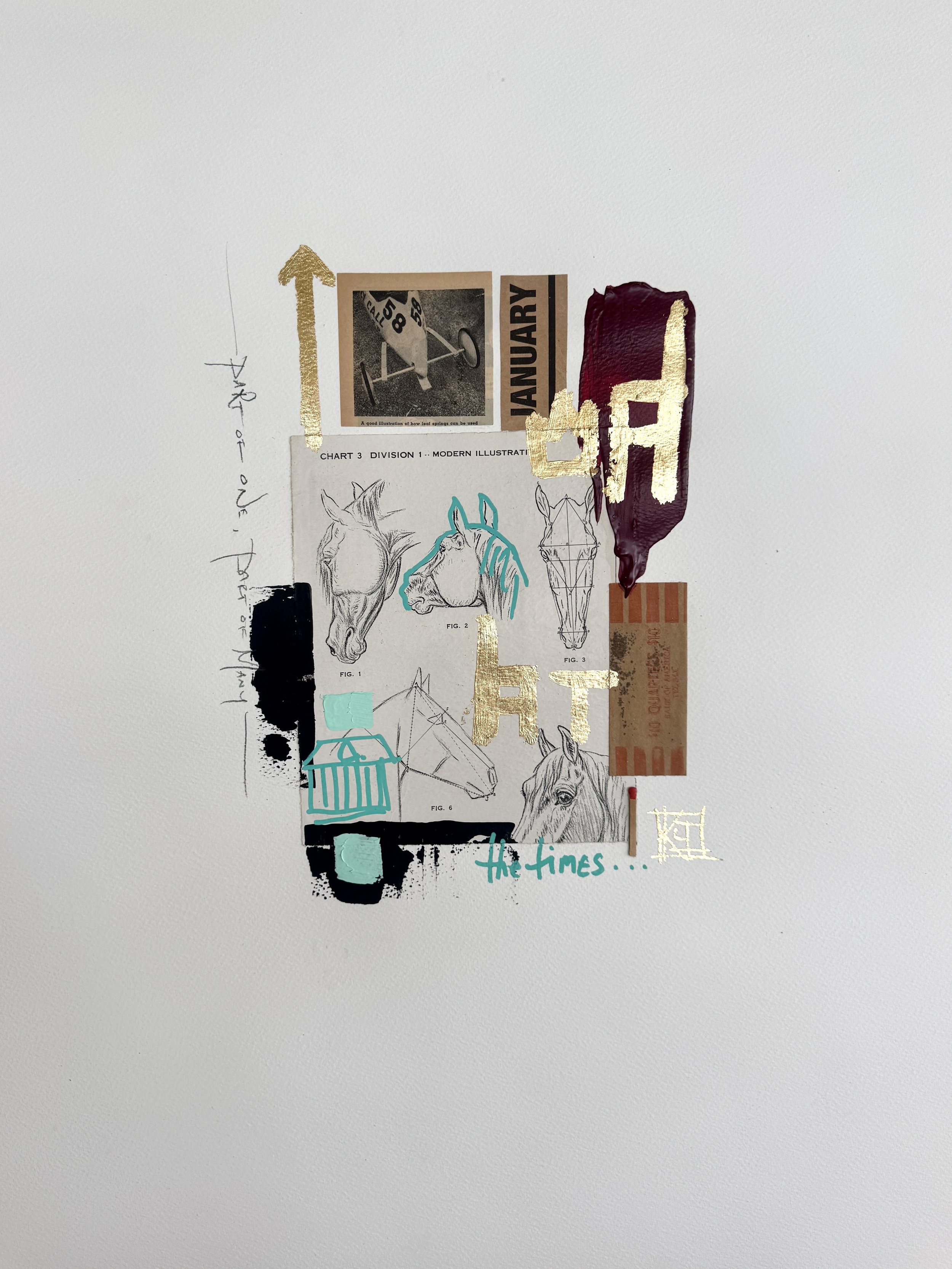
Kelsey Irvin Whitespace January, 2025 Vintage ephemera & mixed media on paper 30 x 22 in
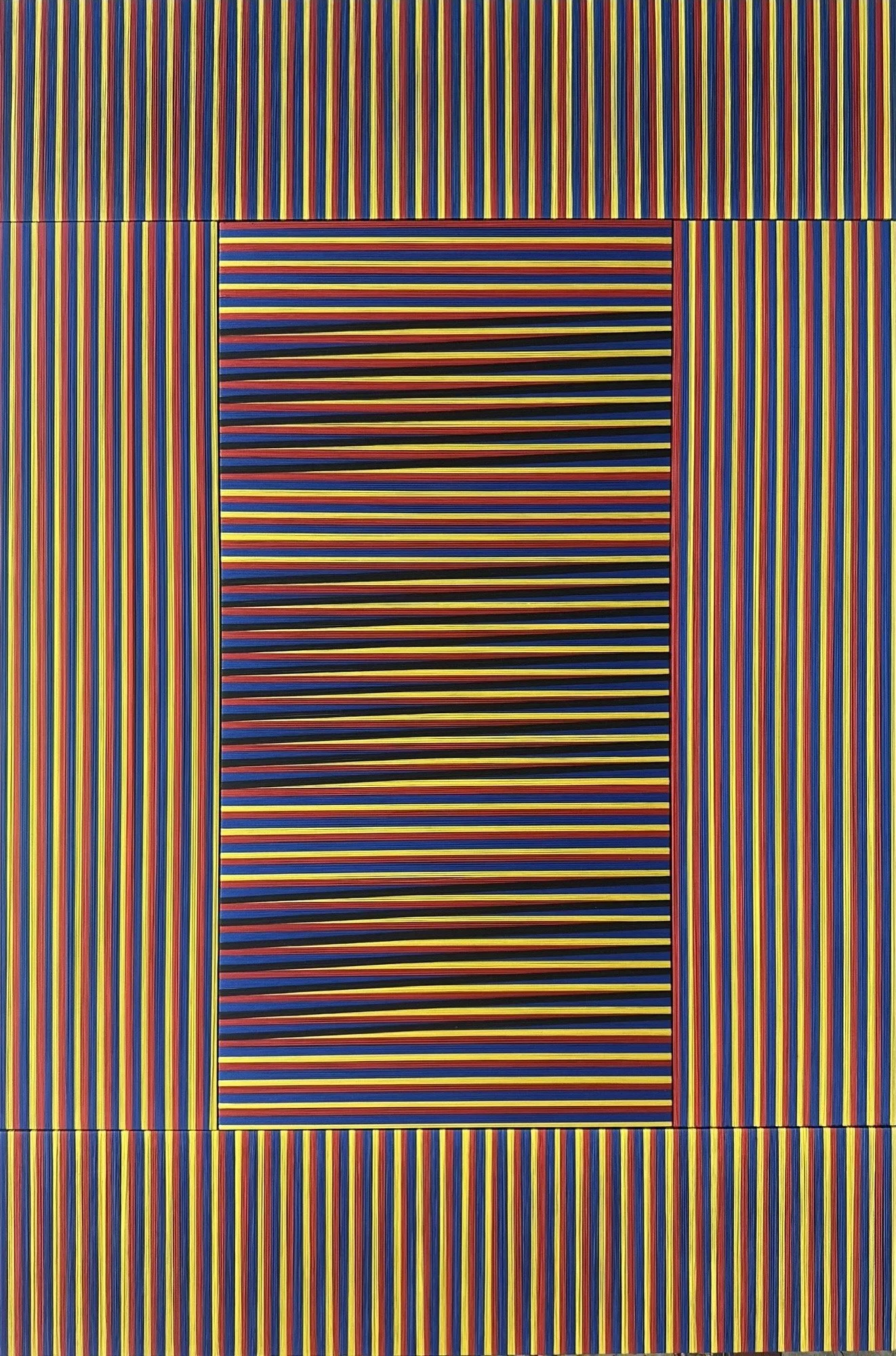
Damián Suárez Kinetic Landscape #3, 2025 Thread on panel 47.25 x 31.5 in
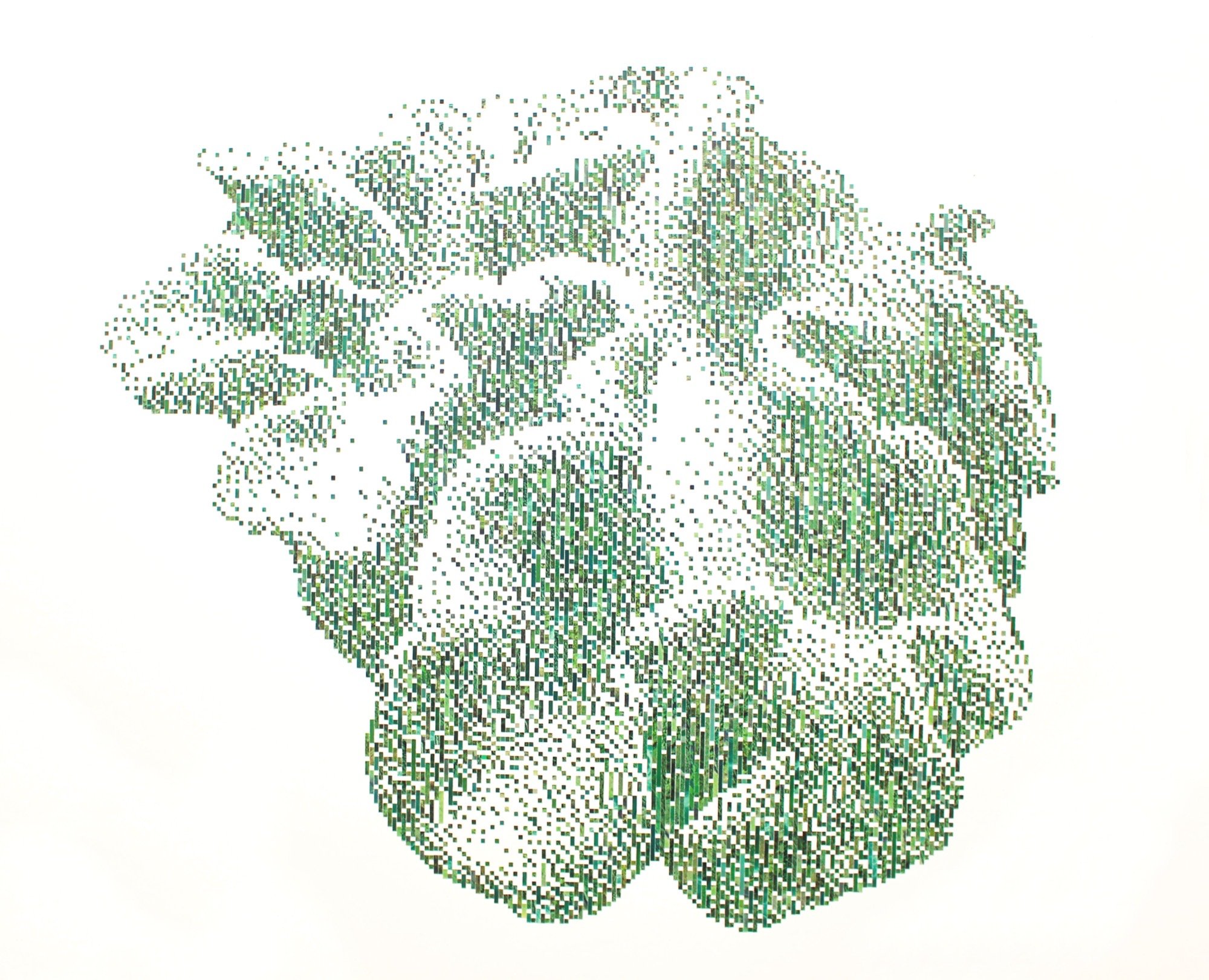
Shawn Smith Invisible Cities – Elephant Ear Coral, 2024 Collage on Paper 39 x 39 in
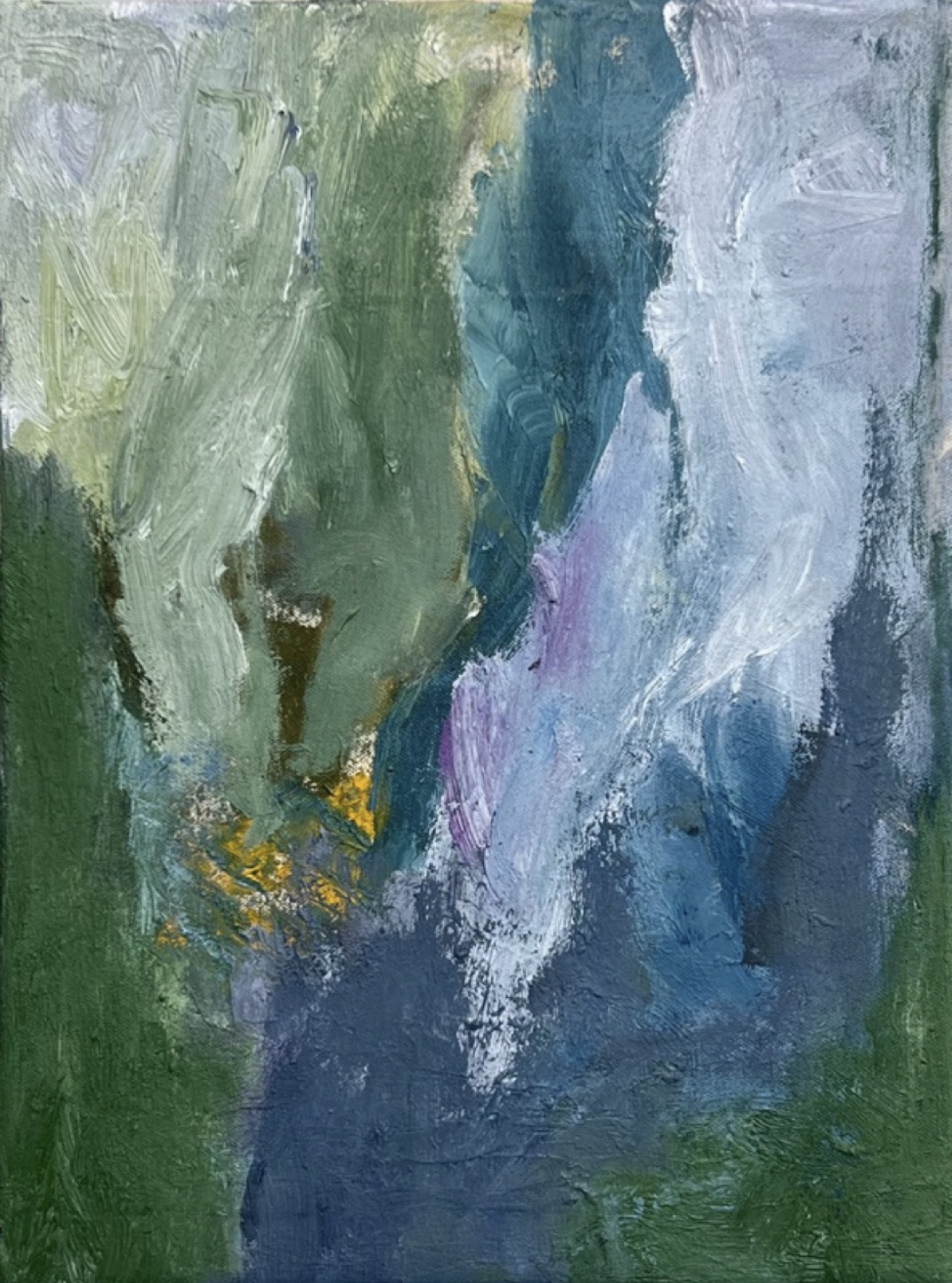
Chris Stewart Wrinkle, 2025 Oil on canvas 18 x 14 in
Reality Is Only Your Perception explores what happens when seeing becomes uncertain. When familiar images behave unexpectedly and materials resist easy interpretation, perception shifts from passive recognition to active inquiry. This exhibition centers on that moment of visual hesitation, where meaning is not fixed but formed through the act of looking.
Bringing together six artists, the exhibition examines how materially driven practices can destabilize visual expectations. Through optical effects, altered scale, reconfigured forms, and unconventional materials, the works challenge not only what we see, but how we see it. Known references verge on abstraction, surfaces appear to vibrate or shift, and images unfold slowly, rewarding sustained attention with moments of discovery and reinterpretation.
Materiality plays a central role throughout the exhibition. Each artist treats material as an active agent—capable of misdirection, contradiction, and transformation—rather than a neutral support. Whether through layered processes, constructed surfaces, or tactile interventions, the works invite viewers to navigate uncertainty and trust their own perceptual experience.
Reality Is Only Your Perception is part of Craighead Green Gallery’s annual January exhibition series, an ongoing effort to present contemporary art grounded in material exploration while remaining conceptually accessible. Together, the artists offer distinct yet interconnected approaches that remind us that reality is not simply observed, but continually shaped through perception.
Marla Ziegler manipulates clay through layered glazing techniques that cause the surface to read as heavy gunmetal, even as the forms remain intricate and finely articulated. This visual contradiction initiates a moment of perceptual doubt, where assumptions about weight, durability, and material are quietly undone. As the viewer moves through the work, relationships between shapes begin to suggest characters, gestures, and interactions, allowing a whimsical narrative to emerge through form alone. Perception becomes the vehicle for storytelling, unfolding through material misrecognition and visual association rather than representation.
Kelsey Irvin uses nostalgia as a perceptual lens, constructing collage works from vintage ephemera—letters, paper fragments, and found materials that carry the residue of past lives. By recontextualizing these remnants within contemporary compositions, her work alters how we see the present, revealing memory as an active force that reshapes identity, meaning, and visual experience.
Adam Ball creates intricate abstractions drawn from scientific, mechanical, and biological systems, including microscopic imagery that surrounds us but typically remains unseen. Through a rigorous process of reduction and transcription, he brings this hidden visual information into view, transforming it into immersive fields that disrupt scale and spatial perception. The resulting images feel unusual yet strangely recognizable—revealing structures that exist beneath the surface of everyday life and reshaping how we visually comprehend the world.
Damián Suárez reinterprets the legacy of Venezuelan optical and kinetic art through hand-woven thread constructions. Replacing industrial precision with labor-intensive, tactile processes rooted in ancestral craft, his work generates optical movement that physically engages the viewer. Moiré effects and vibrant color interactions create a heightened visual experience in which perception appears to shift and vibrate, challenging the eye as much as the mind.
Shawn Smith investigates how nature is transformed through digital perception. By constructing pixelated sculptures and collages from images of animals and other life forms, he dismantles the boundary between the organic and the virtual. Living subjects are reduced to data, reassembled pixel by pixel, and reborn as physical objects—challenging viewers to confront how screens reshape not only what we see, but what we accept as real.
Chris Stewart works in the space between representation and abstraction, using layered gestures, drips, and shifting color fields to capture emotional and atmospheric states rather than fixed places. His paintings suggest landscapes that feel familiar yet unresolved, shaped as much by memory and mood as by physical geography. Extending beyond the canvas through all-over compositions and three-dimensional elements placed around the paintings, Stewart complicates how the viewer approaches the work, turning perception into an active experience that unfolds across space.